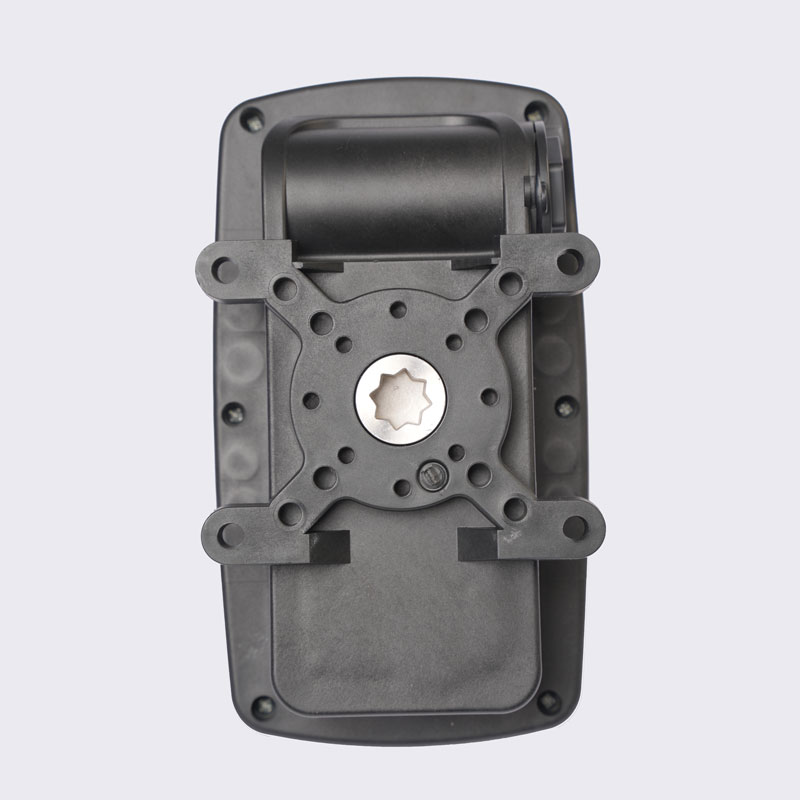
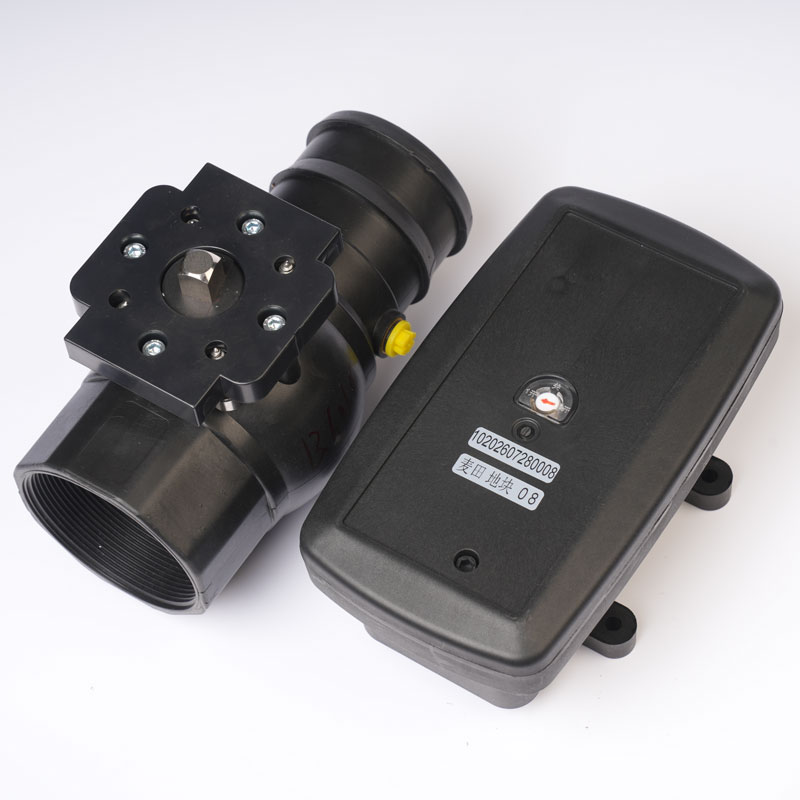
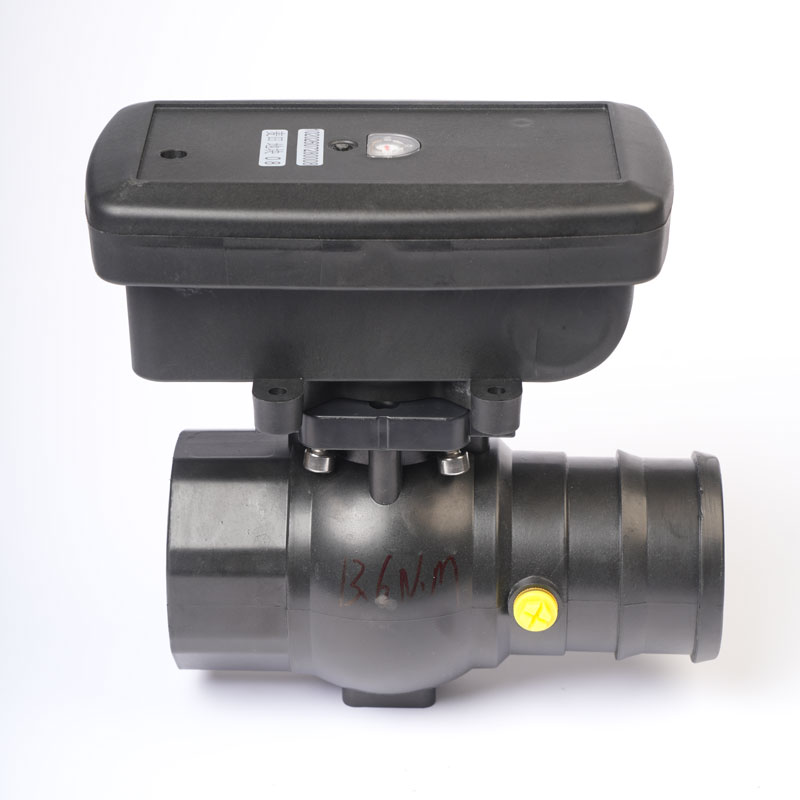
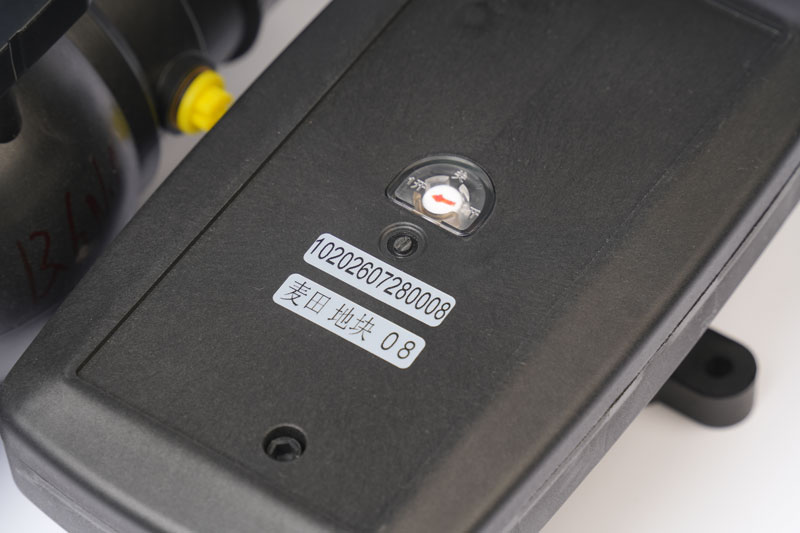
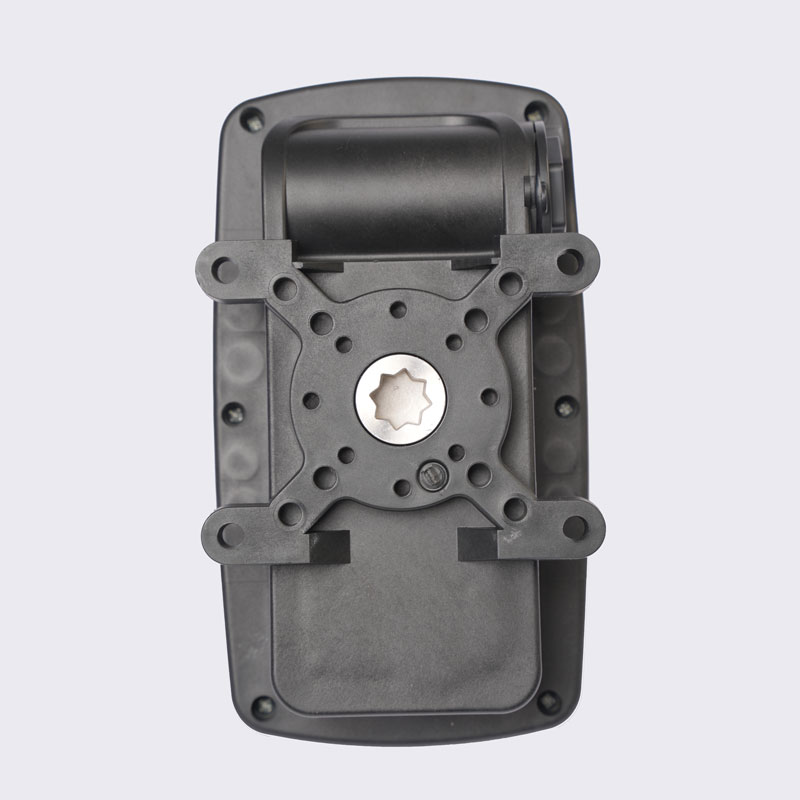
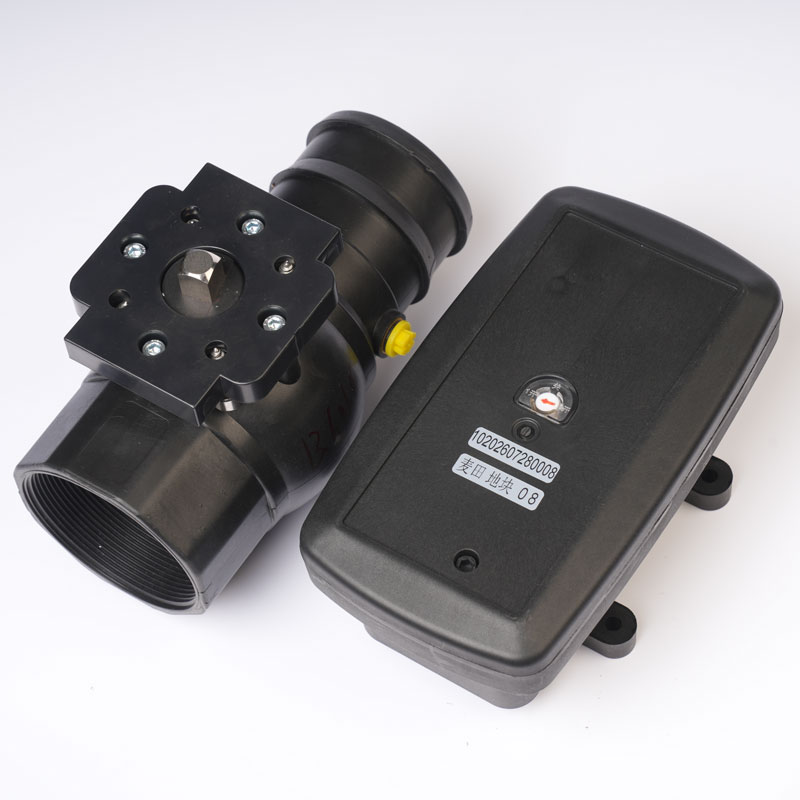
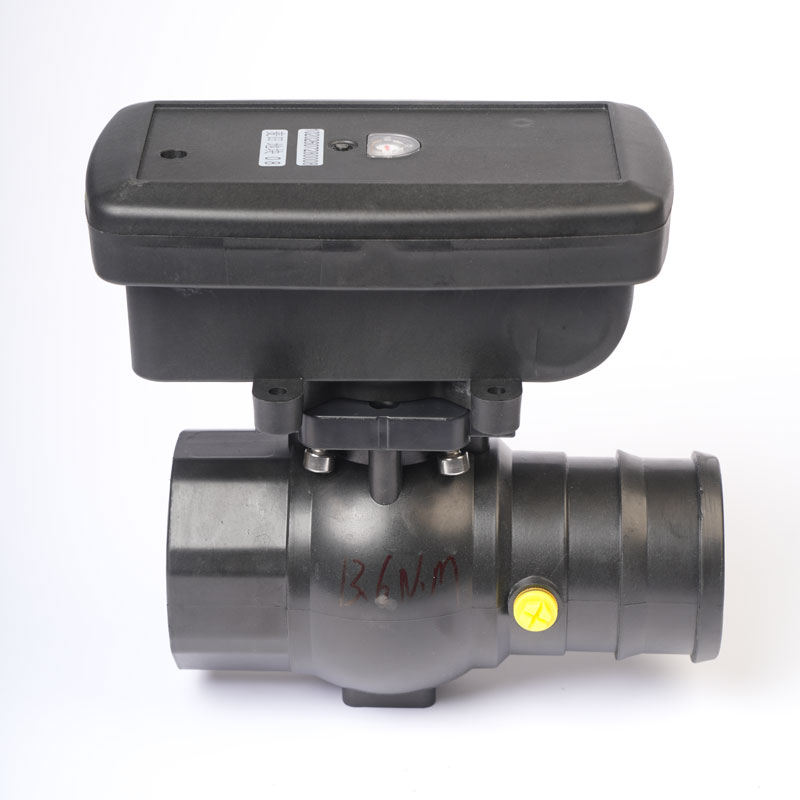
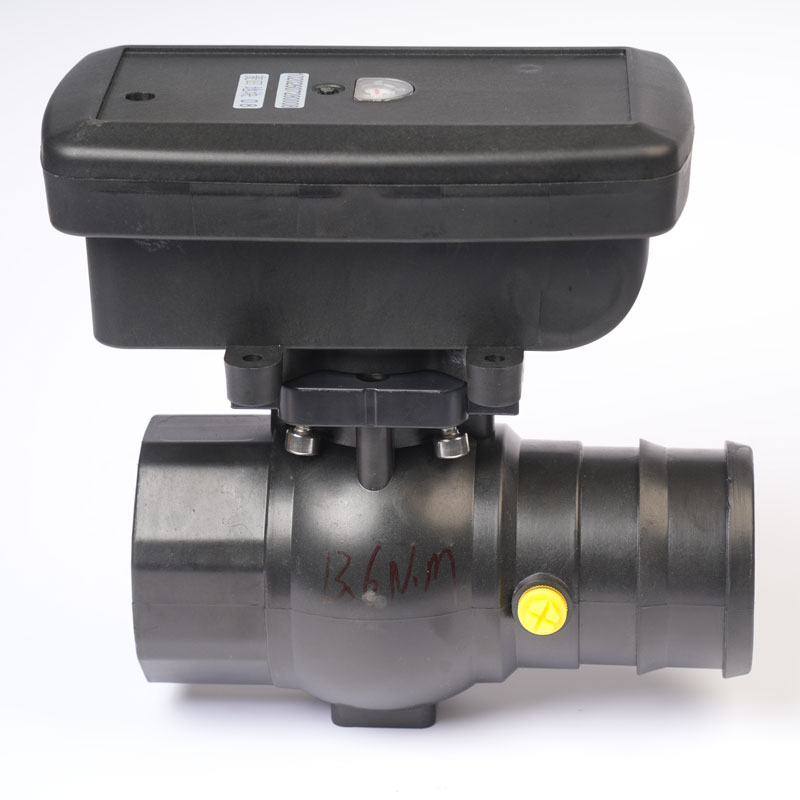
LoRa Irrigation Valve from Kaiye Electric links hundreds of units to one gateway, closing a DN80–DN100 valve in 65 s with 80 N·m torque. This Cixi supplier handles OEM and platform integration for farmland, orchards and landscaping. Request the datasheet today.
One gateway instead of five hundred SIM cards — that arithmetic is why large contiguous farms choose LoRa. The LoRa Irrigation Valve joins a long-range, low-power network that carries hundreds of actuators together with soil moisture, weather, pressure and flow sensors onto a single farm platform. Kaiye Electric, the Cixi-based supplier of the KY-KT-35 platform, ships the same proven gear train in both network variants, so the mechanical spec sheet stays identical while the architecture changes.
1 gateway : hundreds of unitsDN80–DN100≥80 N·m torque≤65 s / 90°IP65 sealedNo per-unit SIM fees
Gateway Networking
LoRa was built for exactly this job: short messages, long distances and batteries that must last for years in a field nobody visits weekly.
A single gateway connects hundreds of valve actuators, replacing the per-unit subscription that cellular architectures require.
The same network carries soil moisture, weather, pressure and flow sensors, so one backbone serves sensing and actuation alike.
Units join the farmland IoT platform in batches, which turns commissioning a 200-valve project into days rather than weeks.
Because the radios sleep between reports, the actuator's battery budget is spent on motion, not on keeping a connection alive.
For farms measured in square kilometers rather than scattered points, a LoRa Irrigation Valve network is the configuration where running costs fall as the project grows.
Angle Control
An irrigation valve that can only slam fully open or fully closed leaves water distribution to chance; this platform treats position as a controllable variable.
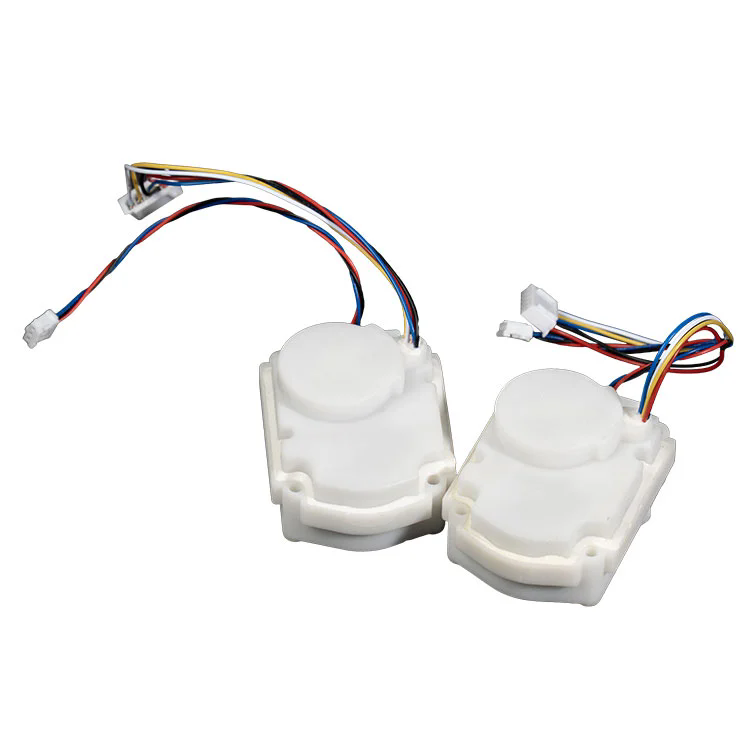
The standard unit travels a 90° stroke in 65 seconds or less, driven by 18000:1 reduction and at least 80 N·m of torque.
Optional photoelectric reflection PCB positions the valve at intermediate angles by counting pulses along the travel.
An optional magnet variant reports angle magnetically, suited to fully sealed chambers where optics would foul.
Opening adjustment is issued from the platform, so a zone can be throttled to 40% during establishment and opened fully at peak demand.
Whichever sensing kit is fitted, the LoRa Irrigation Valve closes the loop by confirming actual position after every move.
Specifications
KY-KT-35 platform figures, confirmed against the current product datasheet:
Item
Value
Model
KY-KT-35
Rated voltage
3.6 V
Working voltage
2.5–5 V
No-load current
≤100 mA (at 23 °C)
Locked-rotor current
≤4500 mA (3525 motor)
Output torque
≥80 N·m
Switching time
≤65 s (90° stroke)
Reduction ratio
18000:1 (DN80–DN100)
Valve sizes
DN80–DN100
Ingress protection
IP65
Manual override
Yes, on-body
Position sensing
Open/close limit; optional photoelectric PCB or magnet kit
Siting the gateway is a line-of-sight question, not just a distance question. Place it high and central to the block, and count grain stores, glasshouses and tree canopies between it and the farthest chamber — those cost more range than the extra kilometers do.
Units are batch-tested against these figures before dispatch, and gateway coverage for your block is mapped from the site plan during quotation.
Zone Scheduling
The point of a networked valve fleet is not remote switching — it is running the whole rotation from one screen without driving to each chamber.
Scheduled zonal irrigation lets each zone follow its own calendar: crop, growth stage and soil readings decide the plan, not habit.
Opening adjustment per zone throttles delivery to match infiltration rates instead of flooding the low end of the block.
Real-time status feedback turns every command into a verified result, so a valve that failed to close is visible on the platform within one reporting cycle.
Tie the sensor layer into the schedule and the system moves toward automatic water-saving irrigation, holding irrigation until soil thresholds are actually crossed.
Managed this way, a LoRa Irrigation Valve fleet behaves less like hardware and more like a water account you can audit line by line.
Field Applications
This configuration earns its keep where many valves share one contiguous block and one operator.
High-standard farmland, where zone counts run into dozens or hundreds and per-unit connectivity fees would compound quickly.
Orchards under one management, where rows share terrain and a single central gateway covers the canopy depth.
Urban landscaping and municipal green belts, where maintenance crews cover many chambers per shift and batch scheduling replaces site visits.
Where plots are scattered across different networks or leased parcels instead, compare this unit with the cellular sibling model — a LoRa Irrigation Valve is priced for density, not for isolation.
OEM & Integration
Platform integration is part of the deliverable, not an afterthought quoted separately after delivery.
Custom line sequence, cable length and label printing, fixed at order time.
Private-label branding and export packaging for distributors and irrigation integrators.
Protocol documentation for third-party farm IoT platforms, with engineering support through the handshake phase.
Typical terms: MOQ 500 sets, 15–25 working days lead time, quoted per configuration.
Share the zone count, chamber drawings and platform name, and the LoRa Irrigation Valve configuration — sensing kit, wiring, gateway plan — is confirmed in writing before pricing.
FAQ
Q How many units can one gateway actually handle?
A The architecture is designed to connect hundreds of actuators to a single gateway. The exact figure for your site depends on terrain, structures between the gateway and each chamber, and how frequently units report. Send the site plan and we map expected coverage during quotation, so the gateway count in your budget is based on your block rather than a brochure number.
Q Do the valves need SIM cards or data plans?
A No. Units communicate with the gateway over LoRa, and only the gateway holds the uplink to the platform. That removes per-unit subscription fees entirely and keeps the radio power budget — and therefore battery life — focused on moving the valve rather than maintaining a network connection.
Q Can different zones run different schedules?
A Yes. Scheduled zonal irrigation assigns each zone its own calendar and opening percentage, and changes are pushed over the air without visiting the chambers. Many operators start with a fixed rotation and then hand control to soil-moisture thresholds once the sensor layer is reporting reliably.
Q How does the valve know its position mid-stroke?
A The standard unit confirms full open and full close through limit feedback. For intermediate angles, order the photoelectric reflection PCB, which positions by counting pulses, or the magnet variant for sealed chambers where optical sensing would foul. Both kits are fitted during assembly, so the choice is made at order time rather than in the field.
Q What happens if a valve loses contact with the gateway?
A The actuator continues running its stored local schedule, so irrigation is not interrupted by a radio problem. The platform flags the unit as unreachable at the next expected report, and the manual override keeps the point operable in the meantime. Because commissioning maps every unit to the gateway plan at the start, the weak link is usually identified before the season, not during it.
For inquiries about water meter actuators, purification valve actuators or price list, please leave your email to us and we will be in touch within 24 hours.
We use cookies to offer you a better browsing experience, analyze site traffic and personalize content. By using this site, you agree to our use of cookies. Privacy Policy