Cixi Kaiye Electric Co., Ltd.
News

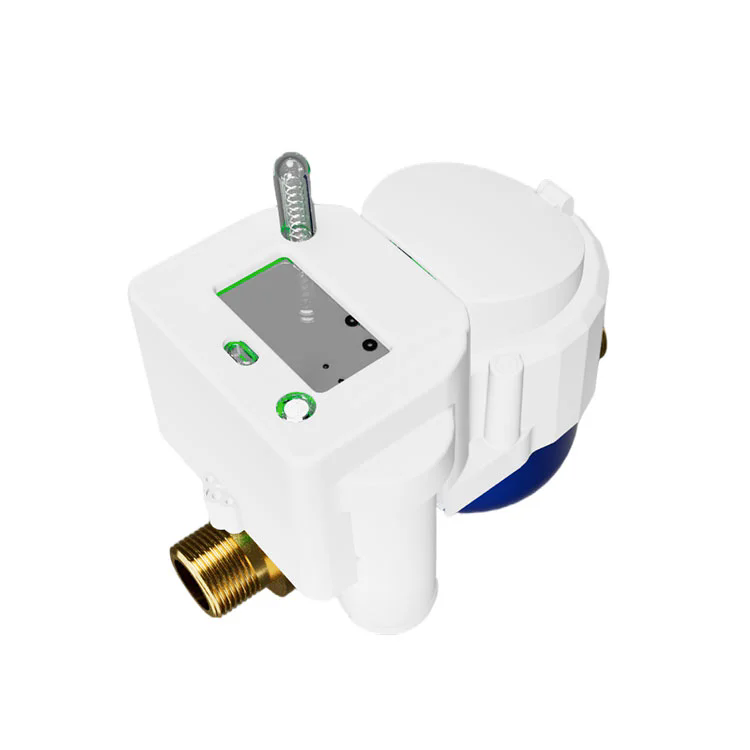
How Does a Smart Wireless Water Meter Improve Water Management?

2026-05-14 0 Leave me a message

Summary: Smart wireless water meters are revolutionizing the way residential, commercial, and industrial facilities monitor and manage water consumption. By integrating wireless communication and advanced data analytics, these meters not only provide accurate readings but also offer real-time insights, detect leaks, and streamline billing processes. This article explores the benefits, challenges, and practical applications of smart wireless water meters, highlighting how Kaiye's innovative solutions can transform water management for end-users.

Smart Wireless Water Meter

Table of Contents


Introduction

Water conservation and efficient water management are becoming critical in modern society due to increasing population, urbanization, and environmental concerns. Traditional mechanical water meters often provide delayed readings, inaccurate measurements, and lack integration with digital management systems. Smart wireless water meters from Kaiye address these issues by offering a connected, real-time solution that allows facilities to monitor usage, detect anomalies, and reduce waste effectively.


Key Benefits of Smart Wireless Water Meters

Adopting a smart wireless water meter provides numerous advantages, including operational efficiency, cost savings, and environmental protection. Below is a detailed list of benefits:

  • Real-Time Monitoring: Provides instant access to water usage data, enabling proactive management.
  • Leak Detection: Early detection of leaks reduces water loss and prevents costly damage.
  • Accurate Billing: Eliminates manual readings, ensuring precise invoicing for consumers.
  • Remote Management: Wireless connectivity allows operators to manage meters from centralized dashboards.
  • Data Analytics: Helps identify consumption patterns and optimize resource allocation.

Additionally, a quick comparison of traditional vs. smart water meters illustrates the clear advantages:

Feature Traditional Meter Smart Wireless Meter (Kaiye)
Reading Frequency Monthly / Manual Real-time / Automated
Accuracy Prone to errors High precision with digital sensors
Leak Detection Delayed or none Instant alert notifications
Data Management Manual logging Centralized dashboard with analytics
Maintenance Reactive Proactive and predictive

How a Smart Wireless Water Meter Works

Smart wireless water meters combine sensor technology, wireless communication modules, and intelligent software platforms. The core process includes:

  1. Measurement: High-precision sensors measure the flow rate and cumulative water consumption.
  2. Data Transmission: Wireless modules send readings to cloud servers or a central management system in real-time.
  3. Data Analysis: Software analyzes patterns, detects anomalies, and generates alerts for unusual water usage.
  4. Reporting & Control: Facility managers access detailed reports through web portals or mobile apps and take necessary actions promptly.

Kaiye smart wireless water meters are designed to be user-friendly and integrate seamlessly with existing water management infrastructure, ensuring smooth adoption and minimal disruption.


Common Water Management Challenges

Many organizations face difficulties in monitoring and controlling water usage, leading to higher costs and environmental impact. Key pain points include:

  • Manual meter readings prone to human error.
  • Delayed identification of leaks causing water loss.
  • Lack of data for decision-making on water conservation strategies.
  • High operational costs from inefficient water usage.

Implementing a smart wireless water meter addresses these challenges by automating measurement and providing actionable insights.


Installation and Maintenance Tips

For optimal performance of Kaiye smart wireless water meters, consider the following:

  • Ensure proper alignment of the meter with the water pipe to prevent inaccurate readings.
  • Keep the wireless module in an area with good signal reception for uninterrupted data transmission.
  • Regularly check the device battery and sensor calibration according to Kaiye's maintenance schedule.
  • Utilize the software dashboard to monitor usage trends and detect irregularities promptly.

By following these guidelines, facilities can maximize efficiency and extend the lifespan of the meter.


Frequently Asked Questions

1. What types of facilities can use smart wireless water meters?

Residential buildings, commercial complexes, industrial plants, and municipal water systems can all benefit from smart water metering solutions.

2. How often are readings updated?

Kaiye meters transmit data in real-time, typically every few minutes, allowing instant monitoring of consumption and anomalies.

3. Can the meter detect leaks automatically?

Yes, the meter uses advanced algorithms to detect unusual flow patterns and sends immediate alerts to operators.

4. Is installation complicated?

Installation is straightforward. Kaiye provides detailed guides and technical support for proper integration into existing plumbing systems.

5. How is data protected?

Data transmission is encrypted and stored on secure servers to ensure privacy and integrity.


Conclusion

Smart wireless water meters are a vital tool for modern water management. They enhance accuracy, reduce operational costs, prevent water waste, and provide valuable insights for better decision-making. Kaiye’s solutions combine cutting-edge technology, reliability, and user-friendly design, making them ideal for a wide range of applications. Transitioning to smart metering not only improves efficiency but also supports sustainable water use.

To learn more about Kaiye smart wireless water meters or to request a personalized consultation, contact us today and take the first step toward smarter water management.

Related News
Leave me a message
X
We use cookies to offer you a better browsing experience, analyze site traffic and personalize content. By using this site, you agree to our use of cookies. Privacy Policy
Reject Accept