Abstract:Water meter actuators are essential components in modern water management systems. They help automate the control and monitoring of water flow, improving accuracy, reducing labor, and enabling remote management. This article explores the working principles, advantages, applications, and considerations when selecting a water meter actuator, providing practical guidance for engineers, facility managers, and industrial operators.
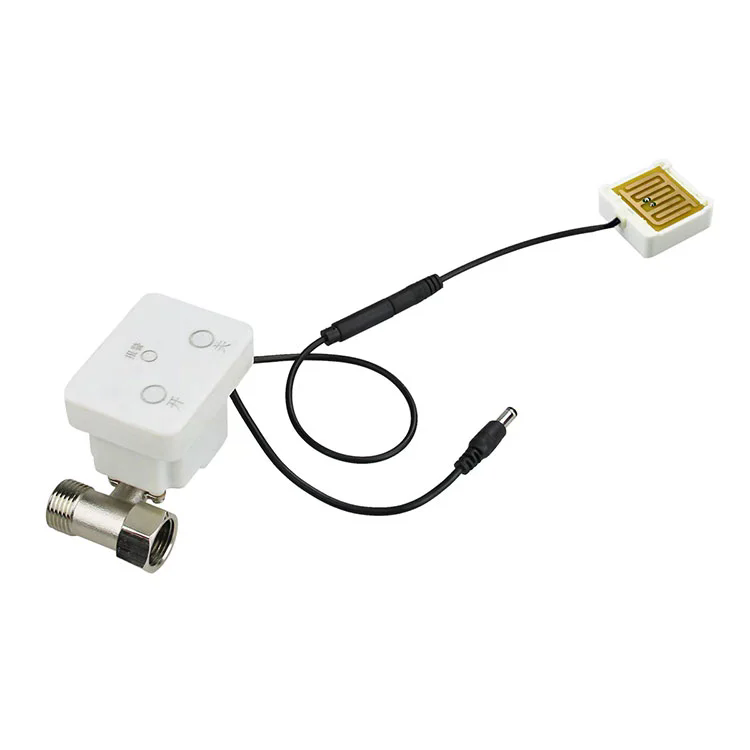
A water meter actuator is a device designed to automate the operation of water meters, controlling valves and sending usage data to monitoring systems. With the rise of smart water management, these actuators are increasingly deployed in residential, commercial, and industrial settings. They allow utility providers to collect accurate consumption data and manage water distribution remotely, reducing human error and operational costs.
The market offers a variety of actuators, such as electric, pneumatic, and hybrid types. Electric actuators, in particular, are favored for their precision, reliability, and ease of integration with smart metering systems.
Working Principle
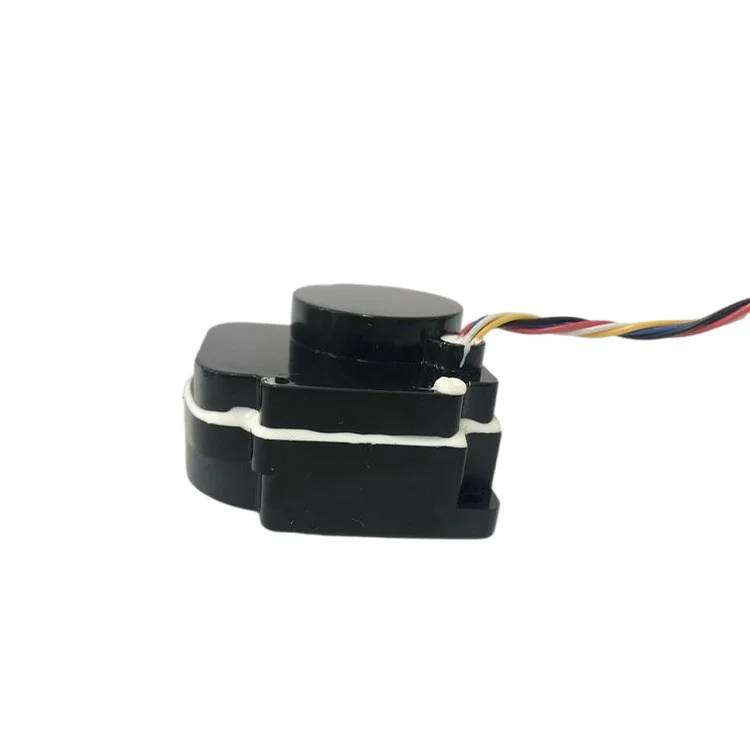
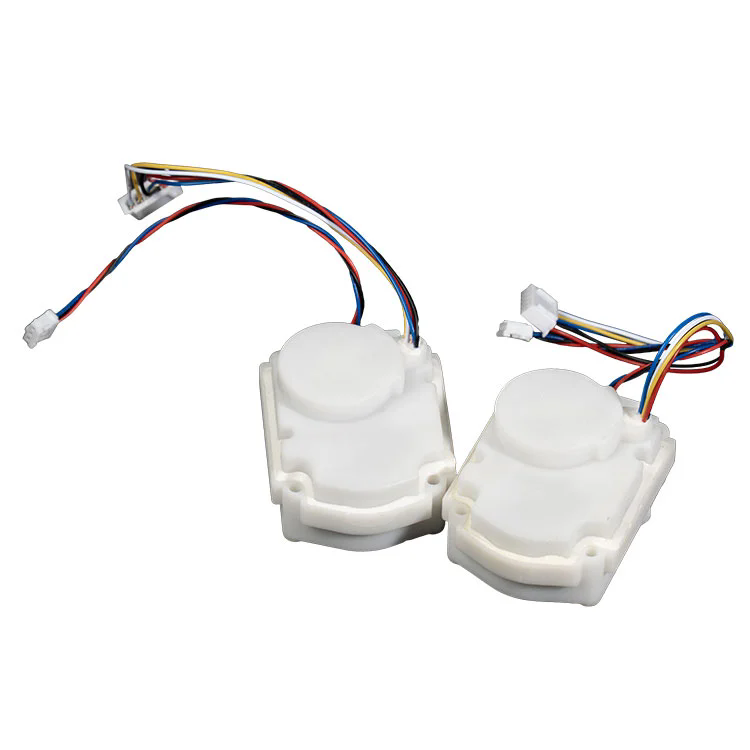
Water meter actuators operate by converting electrical signals into mechanical motion to open or close water valves. The actuator typically receives a command from a central controller or remote system. This signal triggers an internal motor that rotates the valve spindle, regulating water flow.
Component
Function
Motor
Generates mechanical movement to control the valve.
Controller
Receives signals from the network and instructs the actuator.
Valve Coupling
Connects the actuator to the water meter valve.
Position Sensor
Monitors valve position for accurate operation.
The actuator ensures precise control, preventing leaks and maintaining optimal water pressure. Many models include fail-safe mechanisms to automatically close the valve in case of power or system failure.
Key Benefits
Automation: Eliminates manual operation and reduces labor costs.
Accuracy: Provides precise water usage measurements.
Remote Monitoring: Enables real-time monitoring and control via software platforms.
Leak Prevention: Immediate closure on detecting anomalies to prevent wastage.
Durability: High-quality actuators can withstand harsh environmental conditions.
Applications Across Industries
Water meter actuators are versatile and can be applied in multiple sectors:
Residential: Smart homes use actuators to monitor water consumption and detect leaks.
Commercial: Office buildings and shopping centers utilize actuators to manage water distribution efficiently.
Industrial: Factories rely on actuators for precise water control in processes and cooling systems.
Utilities: Municipal water supply networks implement actuators for remote control and billing accuracy.
Selection Guide
Selecting the right water meter actuator involves several factors:
Factor
Consideration
Valve Type
Ensure compatibility with gate, ball, or butterfly valves.
Power Supply
Choose between AC, DC, or solar-powered actuators depending on availability.
Control Interface
Check if it supports remote control via PLC, SCADA, or IoT networks.
Environmental Resistance
Actuator should be resistant to water, dust, and temperature extremes.
Installation and Maintenance
Proper installation is critical for optimal performance. Follow these guidelines:
Ensure the water meter is compatible with the actuator's torque and rotation.
Mount the actuator securely, avoiding exposure to direct water spray.
Connect the actuator to the control system according to the manufacturer’s wiring diagram.
Perform a test run to check valve movement and sensor feedback.
Schedule regular maintenance checks to clean, lubricate, and inspect components for wear.
Regular monitoring of performance and timely maintenance will extend the actuator’s lifespan and maintain system reliability.
Frequently Asked Questions
What is the typical lifespan of a water meter actuator?
With proper installation and maintenance, most electric actuators last 8–12 years.
Can a water meter actuator be retrofitted to existing meters?
Yes, but it is essential to ensure compatibility with the existing valve type and control system.
Do water meter actuators require constant power?
Some actuators require continuous power, while others operate with intermittent signals or batteries. Selection depends on operational needs.
How can I prevent actuator malfunctions?
Regular inspection, cleaning, and calibration of sensors and motors will minimize malfunction risks.
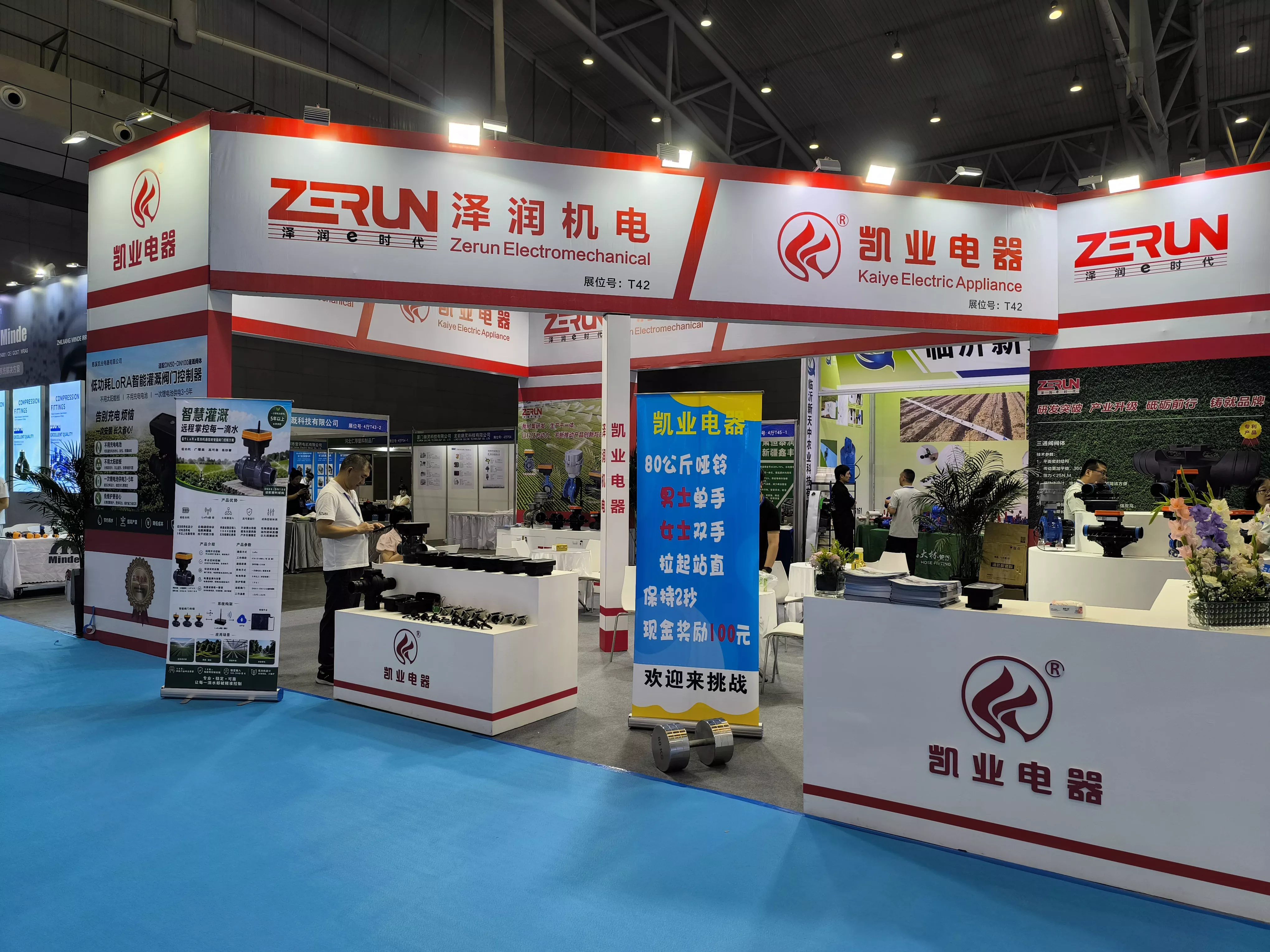
Cixi Kaiye Electric Co., Ltd offers a wide range of high-quality water meter actuators designed for reliable performance in residential, commercial, and industrial applications. For detailed specifications, customization options, and purchasing inquiries, contact us today to discuss your project needs.
We use cookies to offer you a better browsing experience, analyze site traffic and personalize content. By using this site, you agree to our use of cookies.
Privacy Policy