Cixi Kaiye Electric Co., Ltd.
News

How Does a Photoelectric Angle Control Actuator Improve Precision and Efficiency?

2026-05-29 0 Leave me a message

Abstract: The Photoelectric Angle Control Actuator is a critical component in modern automation and precision control systems. This article explores its working principles, applications, advantages, and common challenges, offering solutions to optimize performance. Engineers and decision-makers will find guidance on selecting and integrating these actuators to maximize efficiency and reduce maintenance issues.

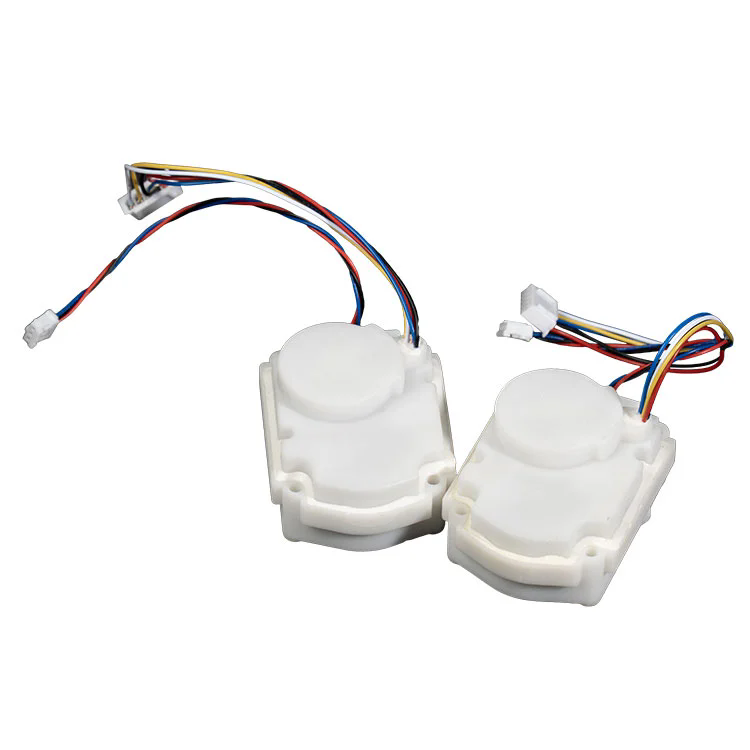
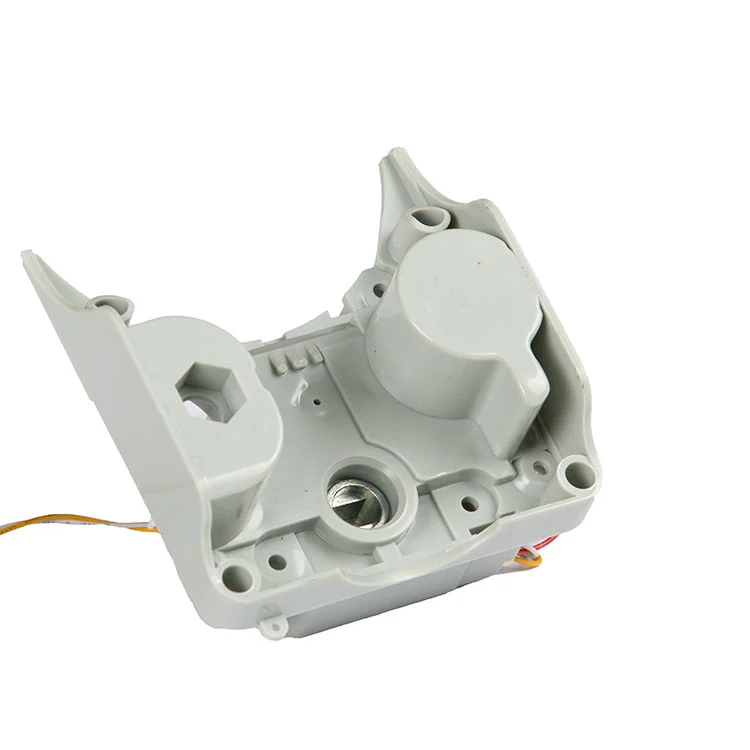
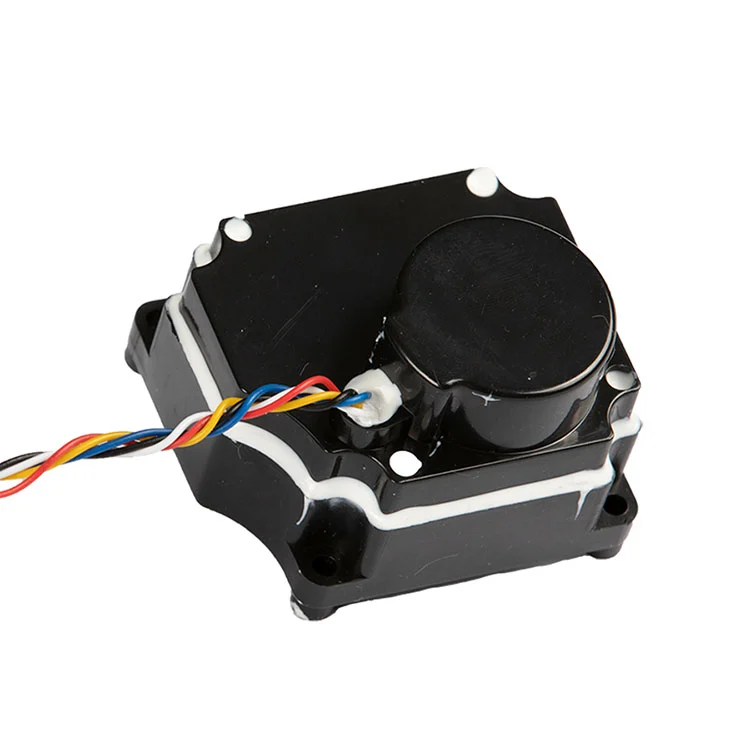
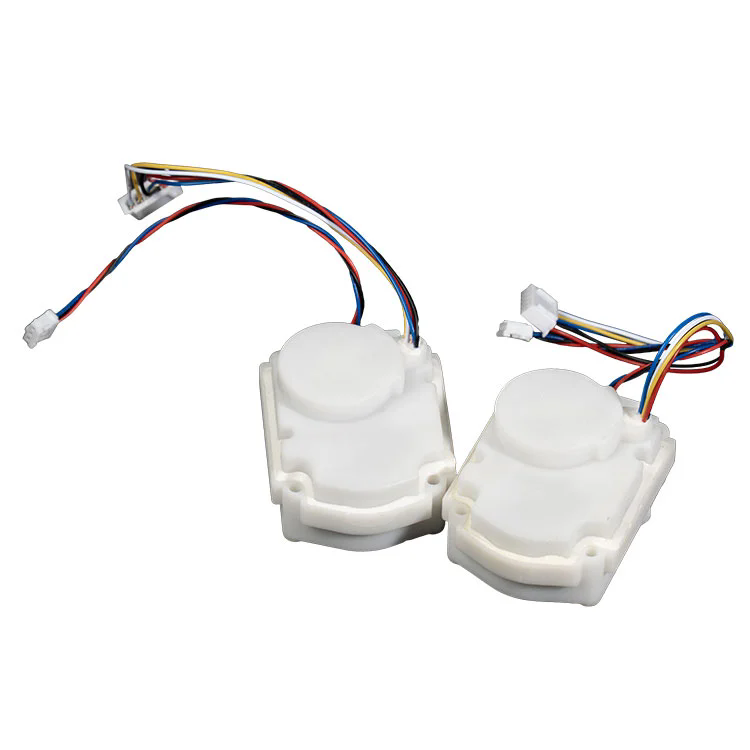
Photoelectric Angle Control Actuator

Table of Contents


Introduction

In precision automation, controlling angles accurately is essential. A Photoelectric Angle Control Actuator provides the ability to monitor and adjust rotational angles using photoelectric sensing technology. Unlike traditional mechanical actuators, these devices offer higher precision, reduced wear, and faster response times. Companies implementing advanced manufacturing or robotics systems benefit from the improved reliability and efficiency.

For professionals facing challenges like inconsistent motion, delayed response, or frequent mechanical wear, understanding how these actuators function and how to integrate them effectively can solve major operational pain points.


Working Principle

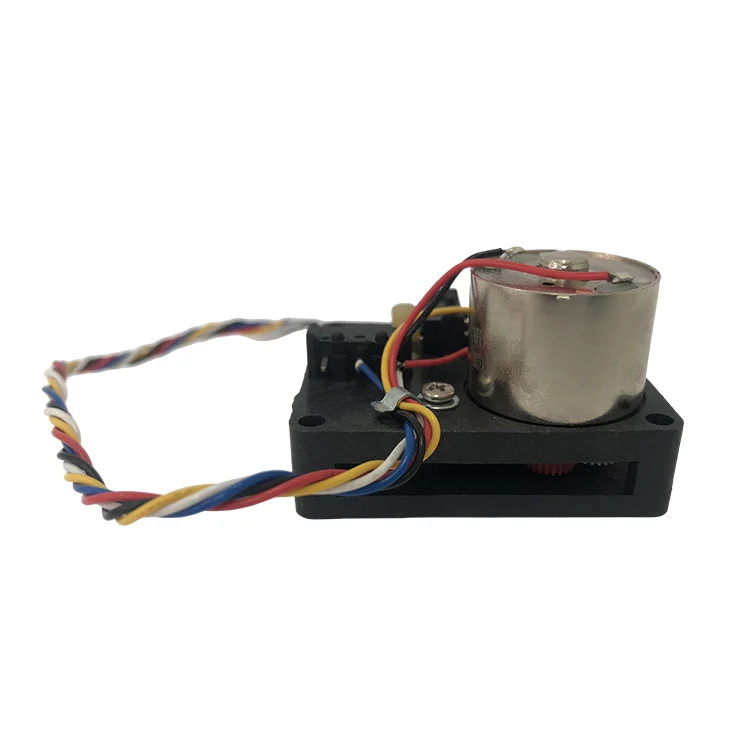
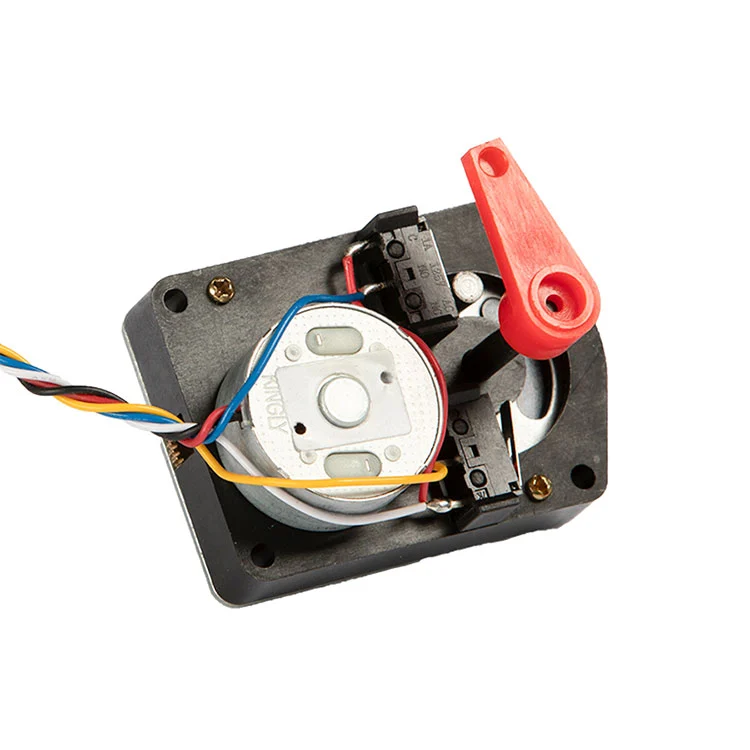
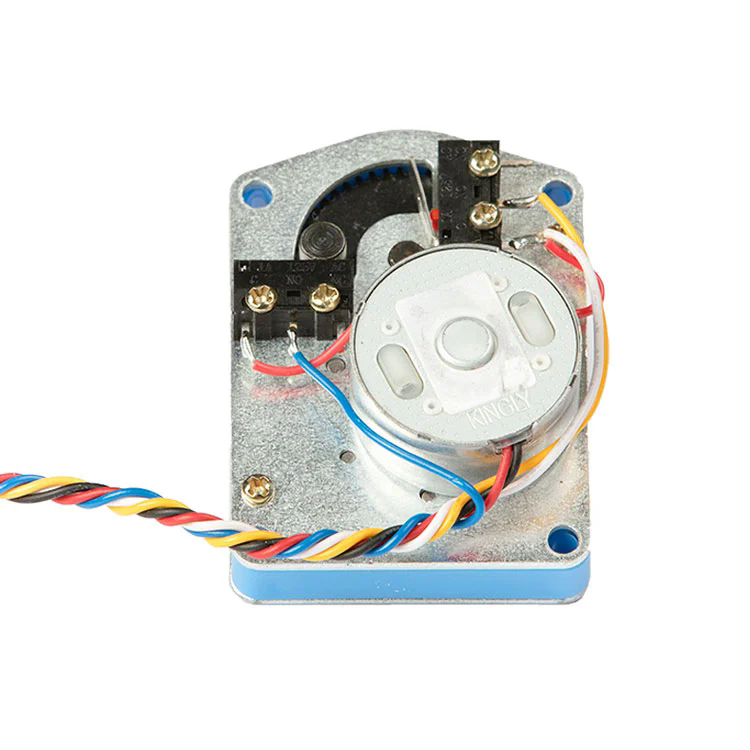
The Photoelectric Angle Control Actuator operates using a combination of photoelectric sensors and a motorized drive mechanism. Its key components include:

  • Photoelectric Sensor: Detects rotational position with high accuracy.
  • Motor Drive: Adjusts the actuator's angle based on sensor feedback.
  • Control Circuit: Processes signals and commands the motor accordingly.

When the actuator rotates, the photoelectric sensor measures the angle and sends real-time feedback to the controller. The control system calculates the difference between the desired angle and the current position, allowing precise adjustments. This closed-loop feedback system ensures minimal error, even under varying load conditions.

Table 1: Core Components and Functions

Component Function
Photoelectric Sensor Measures rotational angle with high accuracy
Motor Drive Executes angle adjustments based on control signals
Control Circuit Processes sensor input and calculates corrections

Applications in Industry

Photoelectric Angle Control Actuators are widely used in various industrial and commercial applications:

  • Robotics: Ensures precise joint positioning and smooth motion control.
  • Automated Assembly Lines: Maintains accurate orientation for parts placement.
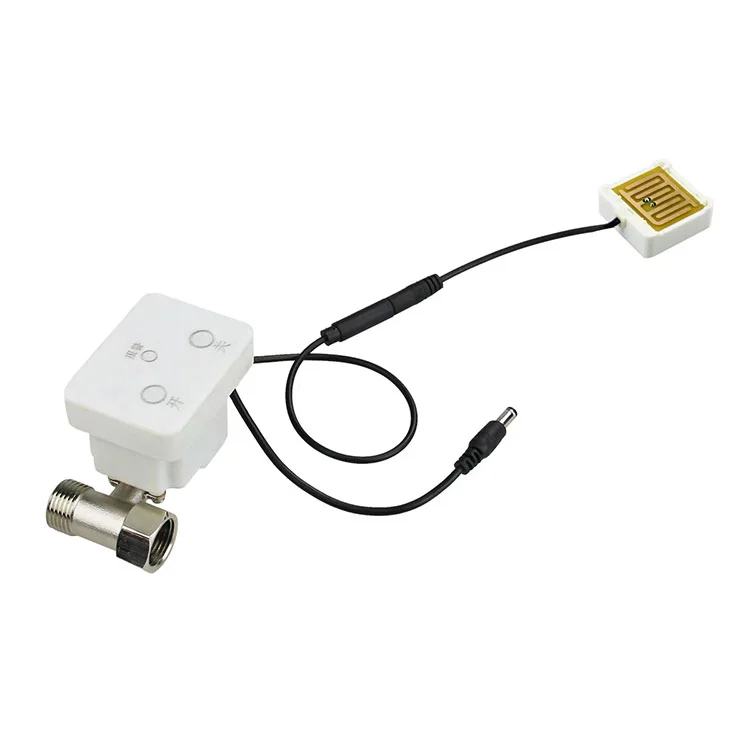
  • Valves and Dampers: Controls flow with precise angular adjustments.
  • Aerospace Equipment: Provides reliable, repeatable angle control for critical components.
  • Solar Trackers: Adjusts panels to maximize energy collection.

Each application benefits from reduced mechanical wear, higher response speed, and enhanced operational accuracy, addressing common customer pain points in maintenance and production downtime.


Key Advantages

When compared to conventional actuators, Photoelectric Angle Control Actuators offer multiple advantages:

  • High Precision: Photoelectric sensors provide accurate feedback, reducing angular errors.
  • Durability: Fewer mechanical components mean less wear and longer lifespan.
  • Fast Response: Real-time angle adjustments enable smoother operation in dynamic systems.
  • Energy Efficiency: Reduced mechanical friction lowers energy consumption.
  • Low Maintenance: The closed-loop system minimizes manual intervention.

Tips for Selecting the Right Actuator

Choosing the appropriate Photoelectric Angle Control Actuator requires careful evaluation:

  1. Load Requirements: Ensure the actuator can handle the torque and weight of your system.
  2. Angular Range: Confirm the rotation range matches your application needs.
  3. Environmental Conditions: Check for dust, moisture, or temperature tolerances.
  4. Integration Compatibility: Ensure the control system supports your actuator’s interface.
  5. Manufacturer Support: Select a supplier that provides technical support and reliable parts.

Maintenance and Troubleshooting

Proper maintenance ensures longevity and consistent performance. Key tips include:

  • Regularly inspect wiring and sensor alignment.
  • Keep the actuator clean from dust and debris.
  • Test sensor feedback and motor response periodically.
  • Lubricate moving components if recommended by the manufacturer.
  • Address any unusual noises or vibrations immediately to prevent damage.

Common issues such as misalignment, electrical noise, or mechanical obstruction can usually be resolved with routine checks and adjustments.


Frequently Asked Questions

Q1: What is the typical response time of a photoelectric angle control actuator?

A1: Response times vary depending on motor type and load but are generally in the range of milliseconds for small industrial actuators.

Q2: Can these actuators operate in harsh environments?

A2: Yes, many models are designed for dust, moisture, and temperature extremes, but always verify the specifications before selection.

Q3: How do photoelectric actuators differ from rotary encoders?

A3: While rotary encoders provide position feedback, photoelectric actuators integrate the feedback with motor control for real-time angle adjustment.

Q4: Is installation complicated?

A4: Installation is generally straightforward but may require alignment of sensors and calibration of control systems to ensure accuracy.


Conclusion and Contact

Photoelectric Angle Control Actuators are indispensable for modern automation and precision control systems, offering high accuracy, durability, and efficiency. Companies looking to reduce operational issues, improve productivity, and minimize maintenance costs can benefit significantly from implementing these devices.

For those interested in high-quality Photoelectric Angle Control Actuators, Cixi Kaiye Electric Co., Ltd. provides advanced solutions designed to meet industrial requirements. To learn more or discuss your specific application needs, contact us today.

Related News
Leave me a message
X
We use cookies to offer you a better browsing experience, analyze site traffic and personalize content. By using this site, you agree to our use of cookies. Privacy Policy
Reject Accept