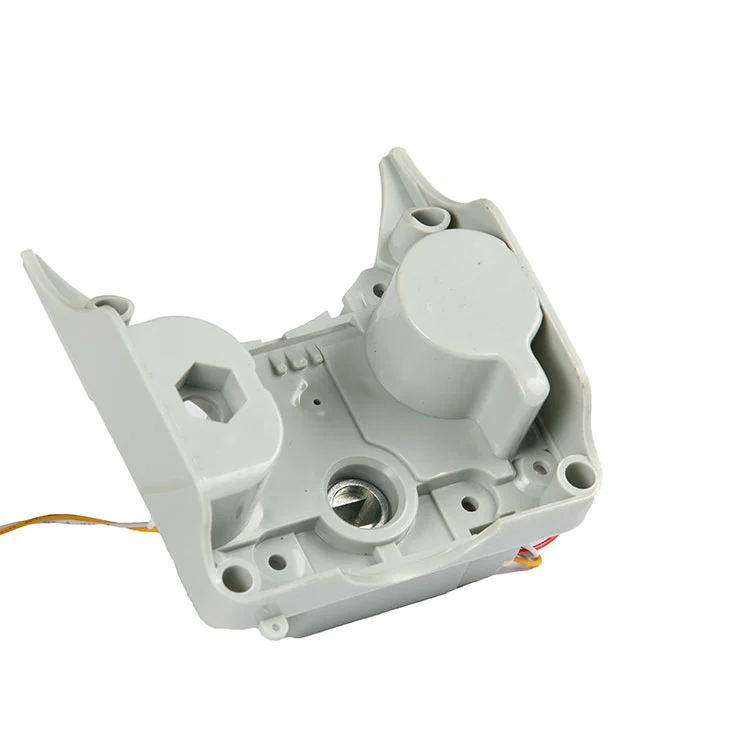
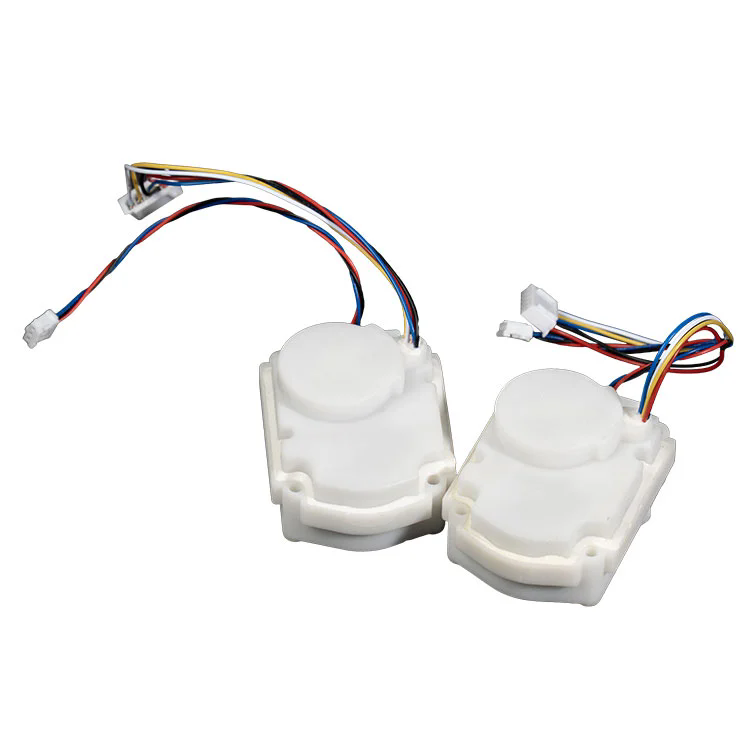
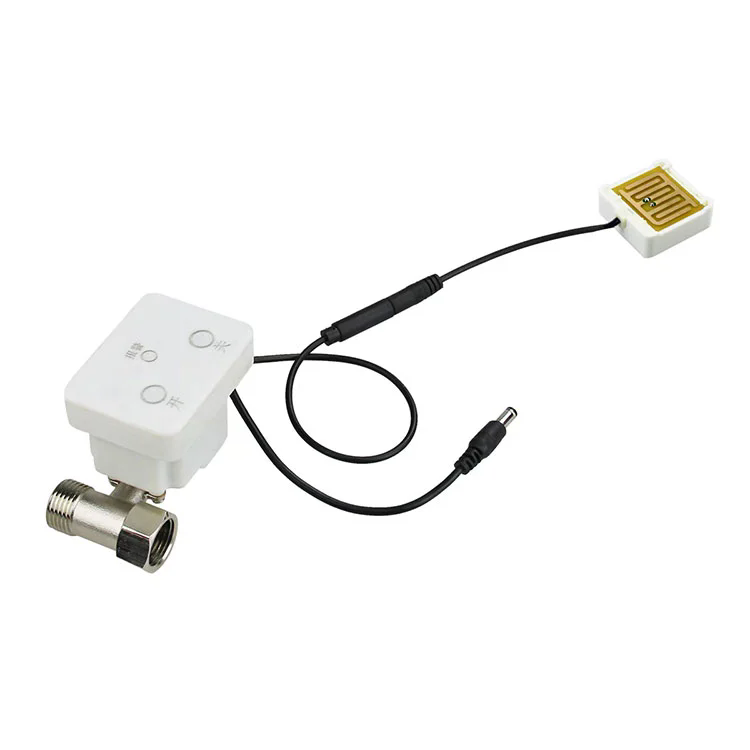
Cixi Kaiye Electric Co., Ltd. is a professional Water Meter Dry Cell Batteries Actuator manufacturer . All metal gears on the actuators produced by the company are machined. With a professional quality inspection team, water meter dry cell batteries actuator feature low current, low energy consumption, low noise, long service life and high torque. We have a professional R&D team committed to product improvement and innovation to meet customer requirements and market changes. “Integrity, Innovation, Responsibility, ensuring first-class products, first-class quality and first-class service” is our philosophy.
Wholesale 3.6V Dry-Cell Battery Water Meter Actuator for Smart Meter OEMs
If you are sourcing battery-powered valve actuators for smart water meters, the key questions are always the same: will it hold torque on aged valves, how long will it run on the meter's dry-cell pack, and will the wiring match your meter board without rework? This 3.6V actuator is built around those three constraints.
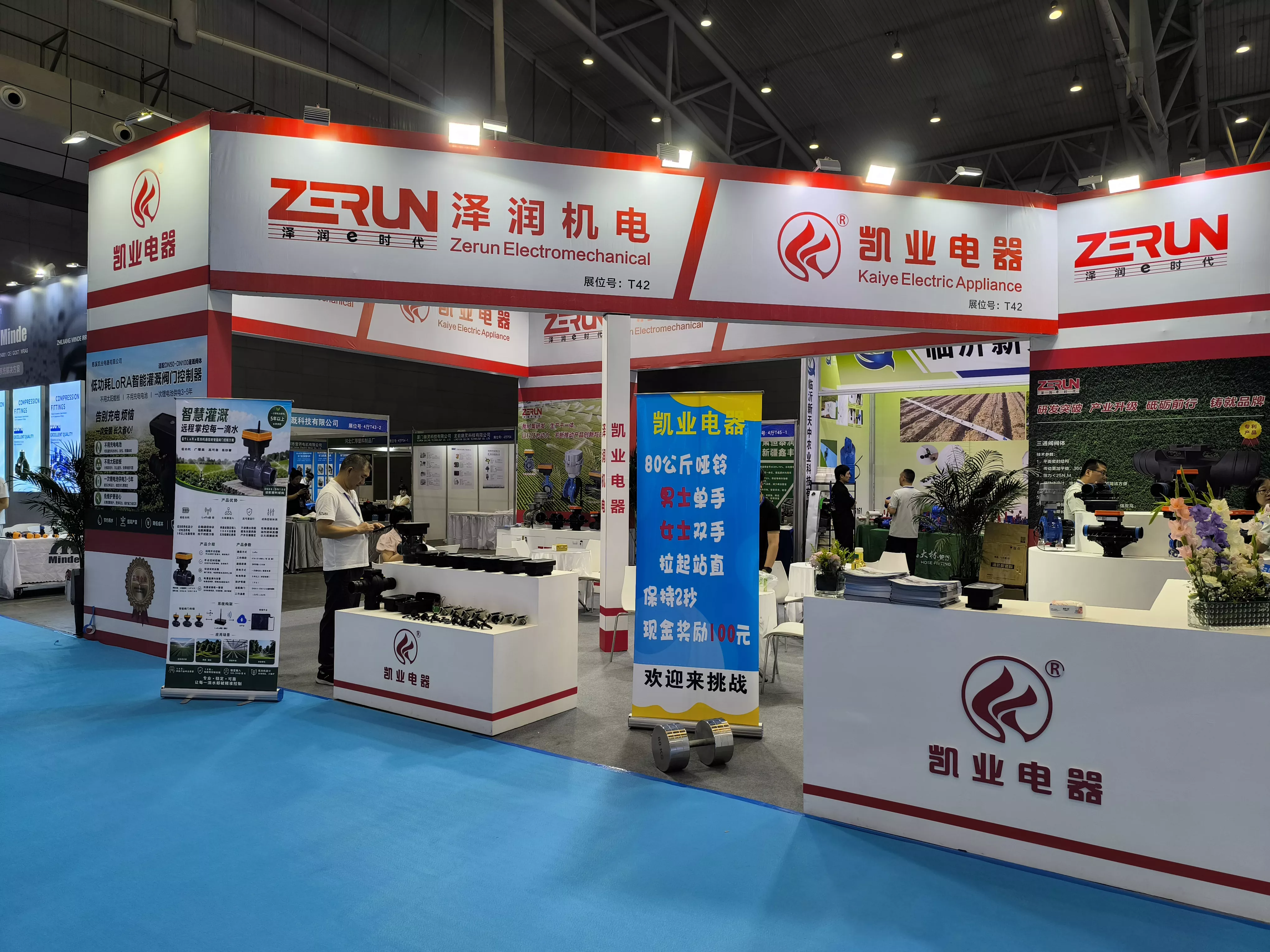
Kaiye has manufactured water meter actuators since the early adoption of smart metering, with an annual actuator capacity of 10 million sets and over 30 years of hardware and control-valve production experience. This dry-cell actuator is part of that volume-proven platform—engineered for OEM integration, batch consistency, and predictable lead times.
Below you will find the actual working parameters, wiring logic, procurement limits, and the technical questions your engineering team will ask before approving a sample.
What the Dry-Cell Actuator Actually Solves for Buyers
Most battery-powered meter valve failures do not come from the motor. They come from torque falling short on aged valves, current draw draining the battery pack faster than expected, or wiring that does not match the meter board. This actuator addresses those three failure points directly.
Torque with headroom for aged valves
Rated at ≥1.8 N·m through a 1500:1 metal-gear reduction, the actuator is sized for small-bore water-meter valves. Metal gears are machined, not sintered, which preserves torque output over long cycling and reduces the risk of stripped teeth under stall conditions.
Low current draw for dry-cell packs
Operating current is ≤25 mA at 3.6V nominal, with a locked-rotor current of 550 mA. The low operating current is what allows the actuator to run from a standard dry-cell pack without excessive battery drain, while the locked-rotor figure tells your driver circuit what to expect during valve seating.
Five-wire control matched to meter boards
Red negative, black positive, blue open, white COM, yellow close. The wiring scheme separates power from the open/close control signals, so the actuator can be driven by the meter board's existing control logic without adding a separate relay board.
Designed for non-electrified meter pits
The actuator is intended for residential, underground, and non-electrified installation scenarios where running 220V mains or dedicated power cables is impractical. It supports stable valve control and signal feedback without site power infrastructure.
Technical Specifications Buyers Should Verify Before Ordering
The table below reflects the standard dry-cell actuator configuration. Where your meter platform operates on a different voltage, torque curve, or wiring convention, these parameters can be customized during the OEM review.
Parameter
Standard Value
Procurement Note
Rated Voltage
3.6 V DC
Confirm compatibility with meter dry-cell pack
Operable Voltage Range
2.5–5 V DC
Higher voltage within range delivers greater torque but shortens lifespan
Operating Current
≤25 mA
Budget for peak current during valve travel, not only standby
Locked-rotor Current
550 mA
Useful for driver and protection circuit sizing
Output Torque
≥1.8 N·m
Measured at rated voltage; confirm against valve seating torque
Reduction Ratio
1500:1
Matched to small-bore water-meter valve platform
Valve Response Time
≤8 s
Open-to-close or close-to-open at rated voltage
Wiring
Red negative, black positive, blue open, white COM, yellow close
Cable length, connector, and wire color can be customized
If your meter board supplies a different control signal polarity or uses a different connector, Kaiye’s engineering team can review the wiring and propose a matched configuration rather than forcing a standard harness into an incompatible meter platform.
Integration, Wiring, and Mounting: What Engineers Ask First
For OEM buyers, the actuator is only as good as its fit with the meter housing, valve stem, and control board. This dry-cell actuator uses a compact outline intended for space-constrained smart-meter enclosures, with a wiring scheme that separates power from the open/close control signals.
Power wiring. Red is negative, black is positive. The drive circuit should be sized for the locked-rotor current of 550 mA, even if normal operating current is ≤25 mA, because valve seating can briefly demand higher current. Reverse-polarity protection on the meter board is recommended if the actuator is field-replaceable.
Control wiring. Blue is open, white is COM, yellow is close. This circuit should be treated as a control input, not a power line, and should remain independent of the communication module so that a communication failure does not disable valve control.
Mounting interface. The actuator is designed around the valve stem and mounting pattern used on small-bore smart-meter valve bodies. Before volume release, buyers should confirm stem square, mounting hole spacing, and actuator orientation inside the meter housing. Kaiye can supply a sample for mechanical fit-check before the production order is placed.
If you are also sourcing the meter housing or the complete valve assembly, the actuator can be reviewed together with the water meter shell and valve body to reduce interface mismatch at assembly.
Where the Dry-Cell Actuator Is Used: Application Fit for Volume Projects
The actuator is positioned for small-bore valve control where battery-powered operation and low current draw matter more than high-speed actuation. Typical volume applications include:
Smart residential water meters
Remote open/close for billing control, arrears management, and leak response in apartment buildings and utility-managed residential accounts.
Non-electrified meter pits
Underground and outdoor meter installations where 220V mains or dedicated power cables are impractical, and the actuator runs from the meter's dry-cell pack.
Utility sub-metering and district projects
Batch installation in old-community renovation, campus water management, and industrial park sub-metering where actuators are procured in four- or five-digit quantities.
OEM valve assemblies
Actuator supply to water-meter manufacturers and valve automation shops that integrate the actuator into their own meter or valve product before shipping to the utility.
Because the actuator is part of Kaiye’s broader water-meter component platform, buyers sourcing multiple components can consolidate qualification and logistics. If your project also requires wireless communication at the meter level, the actuator is designed to work alongside Kaiye’s wireless water meter platform.
Quality, Consistency, and What “Manufacturer” Actually Means Here
For B2B buyers, “manufacturer” should mean process control, not just a trading company with a catalog. Kaiye operates an ISO 9001 quality system, runs automated production for actuator assemblies, and has been producing water-meter actuators for more than two decades. This dry-cell actuator benefits from that production base in three concrete ways:
Batch consistency. Metal gears are machined to controlled dimensions. Automated assembly reduces unit-to-unit variation in gear mesh, torque output, and response time—critical when you are installing thousands of actuators across a utility project.
Incoming inspection and final test. Standard production includes functional checks for current draw, response time, and valve travel. Buyers can request the inspection protocol and sampling plan before placing a volume order.
Traceability. Model code, production batch, and test records are retained so that if a field issue appears, the affected population can be isolated rather than treating every actuator in the project as suspect. For more on Kaiye’s production base and quality system, see the company profile and manufacturing overview.
OEM Customization and Procurement Terms
The dry-cell actuator is available as a standard unit, but standard does not mean fixed. For OEM and project buyers, the following items are commonly customized after technical review:
Cable and connector. Cable length, wire gauge, color code, and connector type can be specified to match your meter housing and assembly fixture.
Control logic. Open/close signal polarity and COM configuration can be aligned with your meter board.
Torque and gear ratio. For valves with higher seating torque or different stem geometry, an alternative gear ratio or motor tier may be more appropriate than the standard 1500:1 configuration.
Branding and packaging. Private-label marking, neutral packaging, and project-specific labeling are available for volume orders.
Typical MOQ for standard configuration starts at 500 pieces; customized cable, connector, or branding may require a higher MOQ and a sample approval step. Lead time for standard units is generally 15–25 working days after PO and sample confirmation. Final MOQ and lead time are confirmed at quotation.
Procurement FAQ
What is the minimum order quantity?
Standard configuration starts at 500 pieces. Customized cable, connector, or branding may require a higher MOQ and a sample approval step.
Can the actuator be customized for different wire lengths or connectors?
Yes. Cable length, wire gauge, color code, and connector type can be specified to match your meter housing and assembly fixture.
What is the lead time?
Standard units are generally 15–25 working days after PO and sample confirmation, depending on order quantity and component availability.
Is the actuator compatible with 3.6V dry-cell battery-powered smart meters?
Yes. The actuator is designed for 3.6V DC dry-cell battery systems, with an operable voltage range of 2.5–5V. Confirm the meter board's control logic and valve load during technical review.
For inquiries about water meter actuators, purification valve actuators or price list, please leave your email to us and we will be in touch within 24 hours.
We use cookies to offer you a better browsing experience, analyze site traffic and personalize content. By using this site, you agree to our use of cookies. Privacy Policy