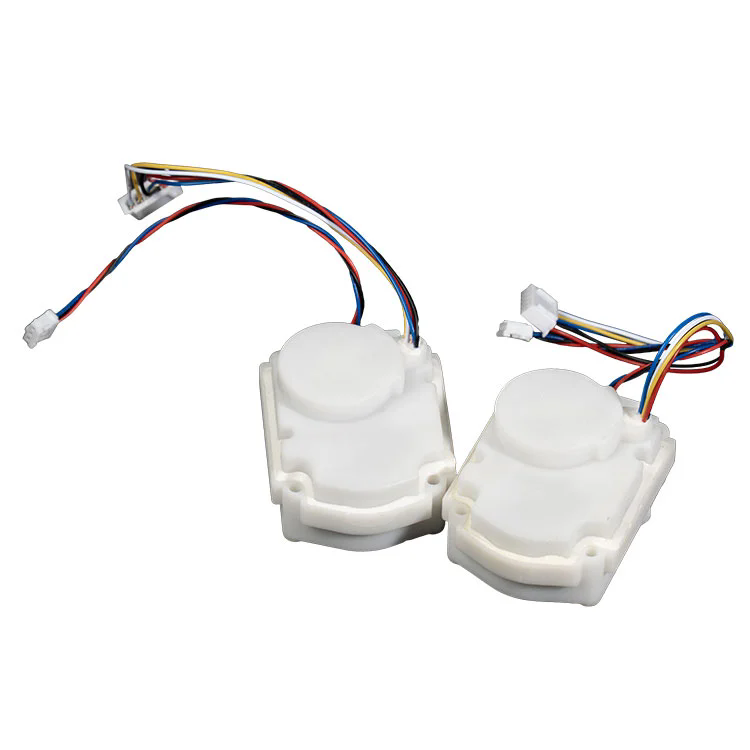
The water meter shell is more than just a protective cover—it plays a crucial role in ensuring the accuracy, durability, and reliability of your water meter. Understanding its design, materials, and maintenance requirements can save municipalities, engineers, and homeowners costly repairs and downtime.
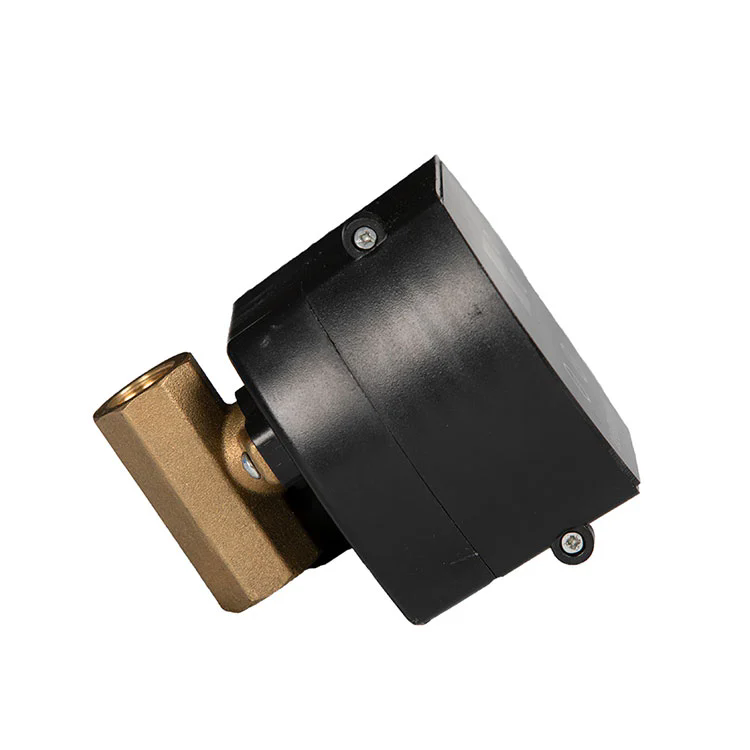
Table of Contents
- What is a Water Meter Shell?
- Materials and Types of Water Meter Shells
- Benefits of High-Quality Water Meter Shells
- Common Issues and How to Prevent Them
- Maintenance Tips for Longevity
- FAQ
What is a Water Meter Shell?
A water meter shell is the external casing that protects the internal measuring components of a water meter. Its primary function is to:
- Shield sensitive components from environmental damage
- Provide structural support for the meter
- Ensure accuracy by maintaining stable operating conditions
Without a robust shell, water meters are vulnerable to corrosion, impact, and temperature fluctuations, all of which can compromise their accuracy and lifespan.
Materials and Types of Water Meter Shells
Water meter shells are designed with different materials to suit various environments and usage requirements. The most common materials include:
| Material | Features | Applications |
|---|---|---|
| Brass | Durable, corrosion-resistant, ideal for potable water | Residential and commercial water meters |
| Stainless Steel | Highly corrosion-resistant, suitable for harsh environments | Industrial applications |
| Plastic/Polymer | Lightweight, cost-effective, corrosion-proof | Temporary installations and low-cost meters |
Choosing the right material depends on water quality, pressure levels, and environmental conditions. For example, areas with high mineral content in water often benefit from stainless steel shells to prevent scaling and rust.
Benefits of High-Quality Water Meter Shells
- Extended Lifespan: High-quality shells reduce wear and tear on internal components.
- Improved Accuracy: Stable shell environments help maintain precise readings.
- Corrosion Protection: Protects against water damage and harsh environmental factors.
- Easy Installation and Maintenance: Well-designed shells simplify meter replacement and servicing.
Common Issues and How to Prevent Them
Even with quality materials, water meter shells can face challenges. Here are some common problems:
- Cracking and Physical Damage: Avoid impact from construction activities by placing protective barriers.
- Corrosion: Use corrosion-resistant materials and coatings, especially in areas with hard or acidic water.
- Temperature Stress: Ensure meters are not exposed to extreme temperatures for long periods.
- Leaks: Proper sealing during installation prevents water infiltration.
Maintenance Tips for Longevity
- Regularly inspect the shell for cracks, rust, or deformation.
- Clean shells with non-abrasive materials to remove dirt and scaling.
- Replace seals or gaskets during scheduled maintenance to avoid leaks.
- Document installation dates and maintenance schedules to track performance.
FAQ
Q1: Can a plastic water meter shell last as long as metal?
A1: Plastic shells are cost-effective and corrosion-proof but generally have a shorter lifespan than metal shells, especially under high-pressure or industrial conditions.
Q2: How often should water meter shells be inspected?
A2: Inspection is recommended at least once a year, or more frequently in areas with harsh environmental conditions.
Q3: Does the shell affect meter accuracy?
A3: Yes, a stable and intact shell ensures internal components operate under optimal conditions, directly influencing measurement accuracy.
For the highest quality water meter shells designed for durability and accuracy, trust Cixi Kaiye Electric Co., Ltd.. Explore our full range of products here and contact us to find the perfect solution for your application.