Cixi Kaiye Electric Co., Ltd.
News

How Does a Water Meter Gear Motor Work?

2026-04-30 0 Leave me a message

Summary: The water meter gear motor is a crucial component in modern water metering systems, ensuring accurate measurement and reliable operation. This article explores its working principles, components, types, maintenance, and how choosing the right motor can solve common operational issues. Designed for both industrial and residential applications, understanding these motors can help improve efficiency, reduce downtime, and enhance water management.

Water Meter Gear Motor

Table of Contents


Introduction to Water Meter Gear Motors

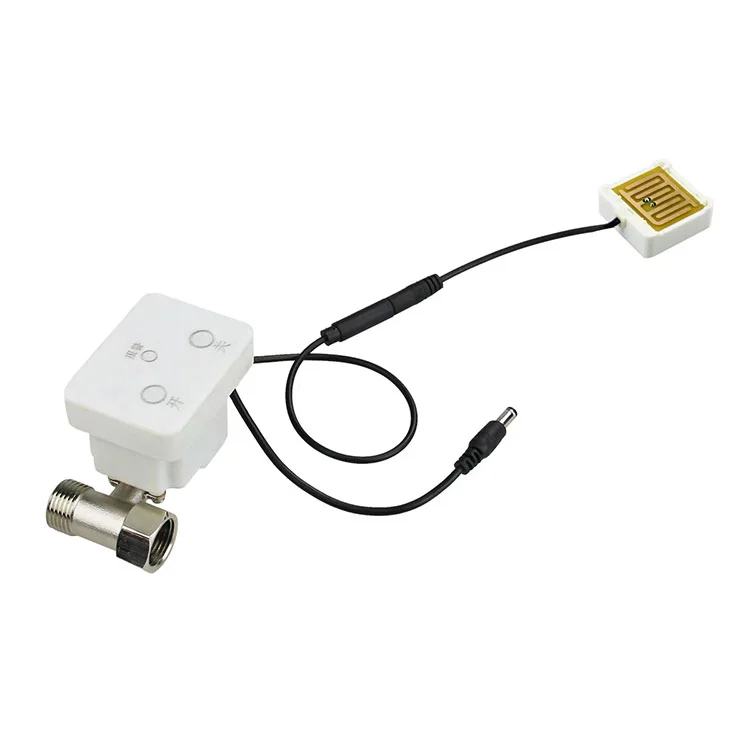
Water meter gear motors are essential for precise water flow measurement, converting rotational energy into controlled motion for water meters. These devices are widely used in municipal water distribution, industrial water systems, and residential applications. They are valued for:

  • High accuracy and reliable operation
  • Low energy consumption
  • Durability under harsh water conditions
  • Compact design suitable for tight installations

Cixi Kaiye Electric Co., Ltd. has been a leading provider of high-quality water meter gear motors, offering solutions that meet both domestic and international standards.


Working Principle of Water Meter Gear Motors

The operation of a water meter gear motor involves the conversion of electrical energy into rotational motion that drives the mechanical counting mechanism of a water meter. The main process includes:

  1. Motor Activation: When water flow is detected, the motor receives an electrical signal to start.
  2. Gear Transmission: The motor shaft rotates gears that translate speed into measurable increments.
  3. Measurement Display: The final gear turns the water meter’s register, providing a readable flow volume.

This precise mechanism ensures that each liter or gallon of water is accurately recorded.


Key Components

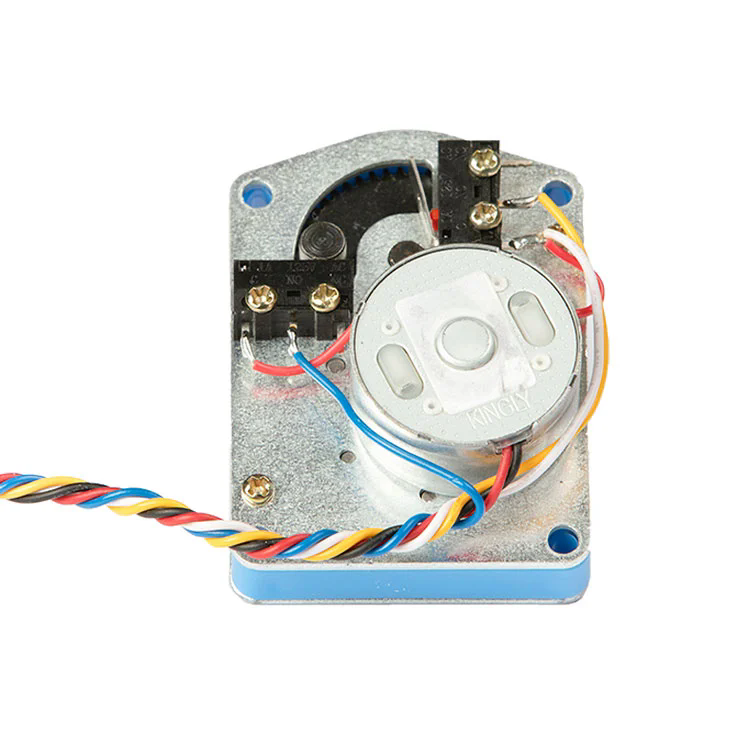
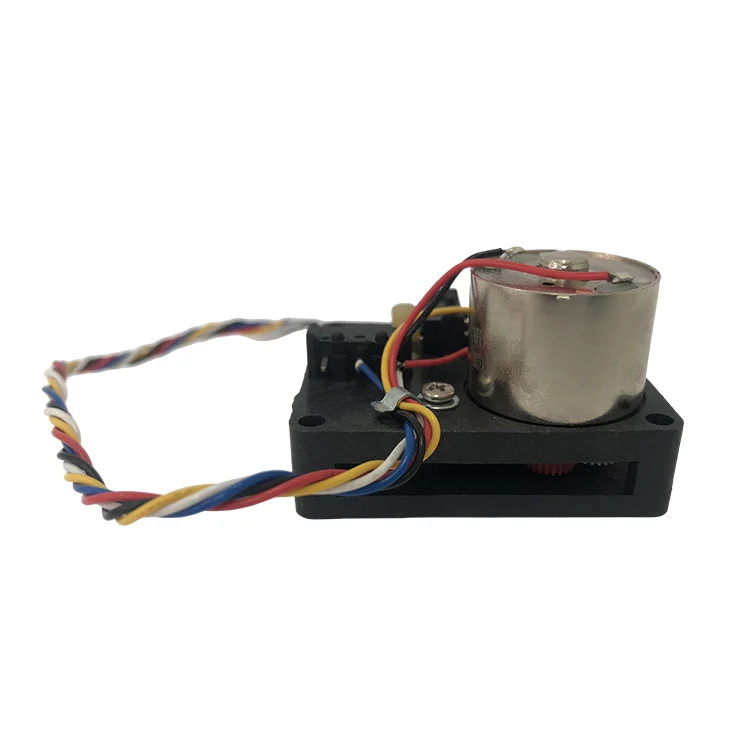
Understanding the structure of water meter gear motors helps in troubleshooting and maintenance. Key components include:

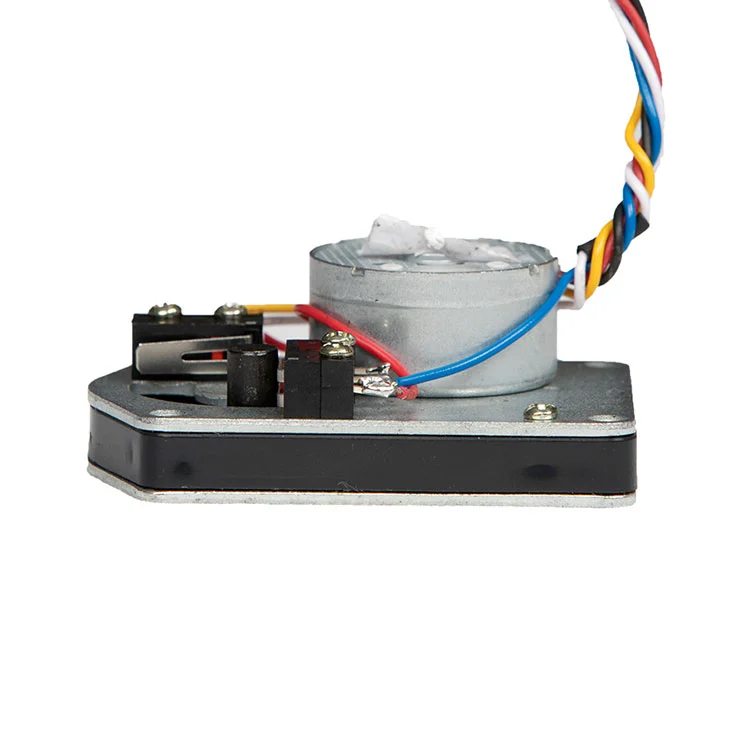
Component Description Function
Electric Motor Small DC or AC motor Provides rotational force to the gear train
Gear Train Set of interlocking gears Reduces speed and increases torque for precise measurement
Output Shaft Connects motor to meter register Transfers motion to the counting mechanism
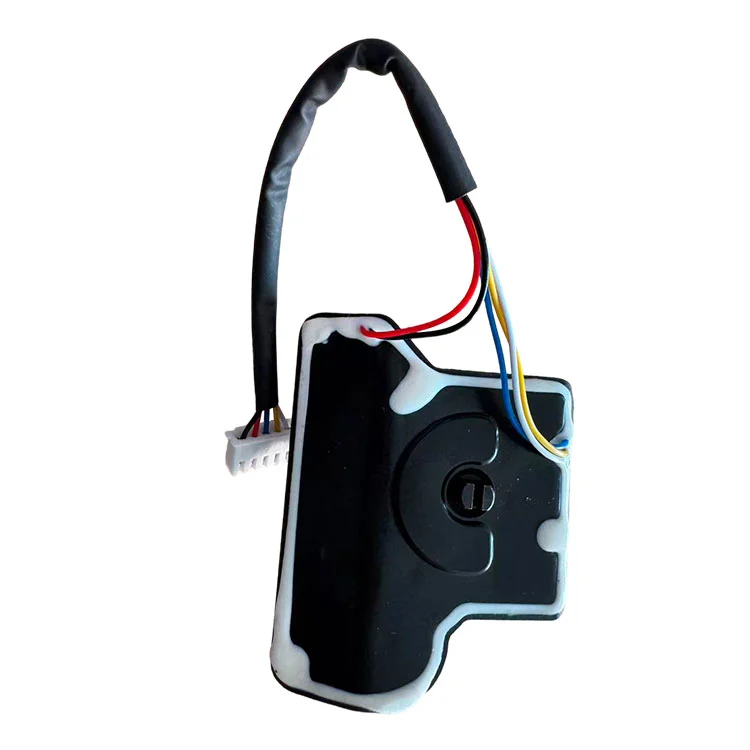
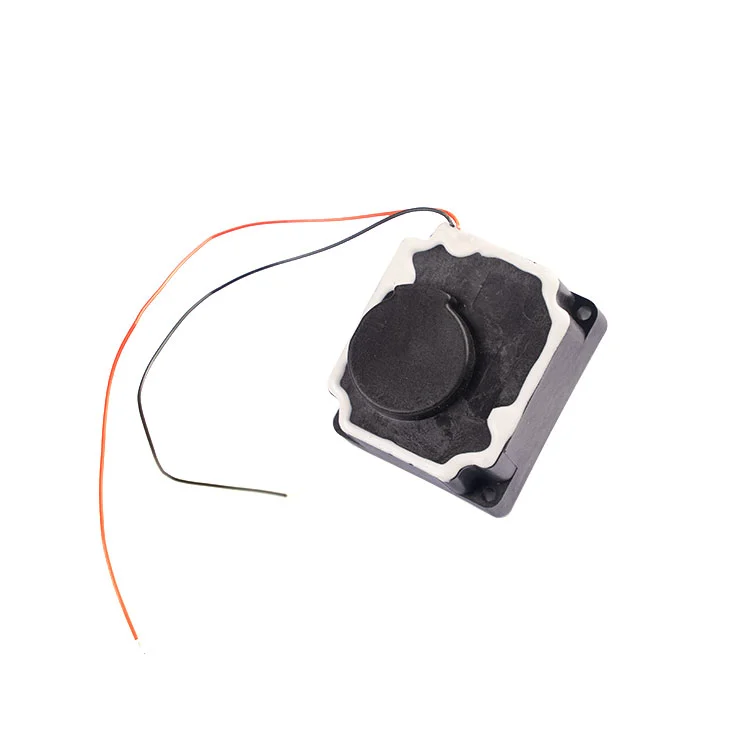
Enclosure Waterproof casing Protects internal components from moisture and dust

Types of Water Meter Gear Motors

Water meter gear motors can be categorized based on speed, torque, and control mechanism. The main types include:

  • DC Gear Motors: Compact and energy-efficient, suitable for battery-operated meters.
  • AC Gear Motors: Reliable for continuous municipal water metering systems.
  • Stepper Motor Types: Offers precise incremental control, ideal for smart metering.
  • Brushless Motors: Long lifespan and low maintenance, reducing operational downtime.

Common Operational Issues and Solutions

Operators often face challenges with water meter gear motors. Common problems include:

  • Gear Slippage: Caused by wear or lubrication issues. Solution: Regular inspection and proper lubrication.
  • Electrical Failures: Overheating or short circuits. Solution: Use protective fuses and voltage stabilizers.
  • Water Leakage: Ingress of water can damage the motor. Solution: Ensure proper sealing and check the enclosure integrity.
  • Inaccurate Reading: Often caused by gear misalignment. Solution: Periodic calibration and maintenance by professionals.

Maintenance Tips

To extend the life and efficiency of a water meter gear motor, follow these guidelines:

  1. Inspect gears and motor regularly for wear and tear.
  2. Ensure lubrication is sufficient and appropriate for water-based environments.
  3. Check electrical connections and insulation to prevent short circuits.
  4. Maintain the enclosure’s waterproof seals to avoid water damage.
  5. Schedule professional calibration every 6-12 months.

FAQ

Q1: Can a water meter gear motor operate in high-temperature water?

A1: Most motors are designed for standard water temperatures. For high-temperature applications, select motors with heat-resistant materials.

Q2: How long does a typical water meter gear motor last?

A2: With proper maintenance, a high-quality motor from Cixi Kaiye Electric Co., Ltd. can last 10-15 years.

Q3: Are these motors compatible with smart water meters?

A3: Yes, stepper and brushless DC motors are often integrated with smart meters for precise digital readings.


Conclusion

Water meter gear motors are essential for accurate water measurement and efficient system operation. By understanding their working principle, components, and types, users can minimize downtime, prevent failures, and ensure long-term reliability. Selecting high-quality products from trusted manufacturers like Cixi Kaiye Electric Co., Ltd. ensures durability and performance.

Explore our full range of water meter gear motors and contact us for tailored solutions that meet your operational needs.

Related News
Leave me a message
X
We use cookies to offer you a better browsing experience, analyze site traffic and personalize content. By using this site, you agree to our use of cookies. Privacy Policy
Reject Accept